

The diamond color chart, developed by the Gemological Institute of America, grades diamonds from D (colorless) to Z (light yellow or brown). Diamonds with less color are rarer and more valuable. However, many buyers choose G–I near-colorless diamonds, which look white to the naked eye but cost significantly less than top grades like D or E. Understanding this scale helps you balance appearance, rarity, and budget when selecting a diamond.
News
Showing 73 to 90 of 178 articles-

Understanding the Diamond Color Chart: How Color Grade Affects Value and Beauty

-

Diamond Setting Types: Prong vs. Bezel vs. Pave and How to Choose
Choosing the right diamond setting is just as important as selecting the diamond itself. Popular options include prong, bezel, and pavé settings, each offering different benefits. Prong settings are the most common and allow maximum light to enter the diamond for exceptional sparkle. Bezel settings surround the stone with a metal rim, providing superior protection and a sleek, modern look. Pavé settings feature small diamonds set closely along the band, creating extra brilliance and a luxurious appearance. Your ideal setting depends on your lifestyle, style preferences, and desired level of security, sparkle, and maintenance for everyday wear.
-

Diamond as the April Birthstone: Meaning, History, and Gift Ideas
Diamonds, the birthstone for April, symbolize strength, clarity, and eternal love. Formed deep within the Earth billions of years ago, diamonds are the hardest natural substance and have been treasured for centuries across many cultures. Officially designated as April’s birthstone in 1912, diamonds have become timeless gifts for birthdays, engagements, and milestones. Their brilliance and durability make them a powerful symbol of resilience and commitment. Popular April birthstone gifts include diamond stud earrings, solitaire pendants, tennis bracelets, and rings. Whether simple or luxurious, diamond jewelry offers a meaningful way to celebrate an April birthday.
-

Lab-Grown vs. Natural Diamonds: What Jupiter Buyers Need to Know
Lab-grown and natural diamonds look identical and share the same chemical and physical properties. The key differences are origin, price, and long-term value. Natural diamonds form over billions of years underground and are rarer, which helps them retain more resale value. Lab-grown diamonds are created in laboratories using advanced technology and typically cost 80–85% less, allowing buyers to get a larger stone for the same budget. Both options offer beauty and durability, so the best choice depends on whether you prioritize rarity and value retention or affordability and size.
-

Is Diamond Fluorescence Good or Bad? Debunking the Myths
Diamond fluorescence is one of the most misunderstood features in diamond buying. It refers to the glow some diamonds emit under ultraviolet light, most commonly blue. Despite common myths, research from the Gemological Institute of America (GIA) shows that fluorescence rarely harms a diamond’s appearance and, in some cases, can even improve it by making slightly yellow diamonds appear whiter. About 25–35% of diamonds display some level of fluorescence. For many buyers, especially in near-colorless grades, fluorescent diamonds can offer excellent value because they often cost less while looking virtually identical to non-fluorescent stones in normal lighting.
-
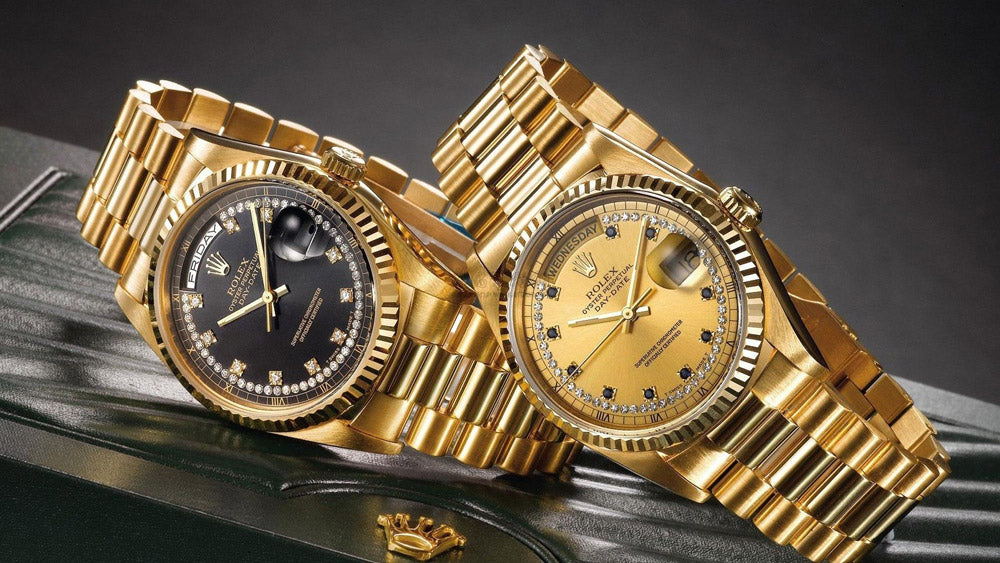
Selling Gold Watches: More Than Just Metal Value
Gold watches are often misunderstood as being valuable only for their metal content, but their true worth runs much deeper. Factors such as craftsmanship, brand heritage, condition, and market demand play a major role in determining value. Certified pre-owned gold watches, in particular, offer buyers a smarter way to own luxury while maintaining long-term value. At Golden Anvil Jewelers in Jupiter, Florida, each gold watch is carefully evaluated for authenticity and quality, giving buyers confidence and clarity. Understanding what drives gold watch value helps you make informed, rewarding decisions.
-

Selling Gold During Divorce: What Jupiter Residents Should Know
Divorce often brings difficult financial decisions, especially when gold jewelry, coins, or luxury watches are involved. For Jupiter residents, understanding how gold is valued and sold during divorce can make a meaningful difference in protecting your financial interests. Gold is more than sentimental—it is a tangible asset with real market value that can impact settlement outcomes. This guide explains what to consider before selling, how to avoid common mistakes, and why working with a trusted local buyer matters. With the right information, selling gold during divorce can become a strategic and confident decision rather than a rushed one.
-

How Long Does the Gold Selling Process Really Take?
Selling gold often feels uncertain, especially when you don’t know how long the process will take. From evaluation and testing to pricing and payment, each step plays a role in how quickly you can walk away with cash or value. At Golden Anvil Jewelers, a third-generation family-owned jeweler in Jupiter, Florida, the gold selling process is designed to be efficient, transparent, and stress-free. Most in-store transactions are completed the same day, often in under an hour. Understanding the timeline helps you make confident decisions and avoid unnecessary delays.
-

Emergency Cash: Selling Gold When You Need Money Fast
Unexpected expenses can create immediate financial stress, and finding emergency cash quickly is not always easy. Selling gold is one of the fastest and most practical ways to access money without taking on long-term debt. From gold jewelry and coins to estate pieces and luxury watches, many items hold more value than you might expect. At Golden Anvil Jewelers in Jupiter, Florida, clients receive clear evaluations, fair market pricing, and same-day payment in a professional, private setting. This guide explains how selling gold works, what affects value, and how to make informed decisions when time matters most.
-

What Is a Fair Percentage of Spot Price? Industry Standards Explained
Understanding the spot price of gold is essential, but relying on it alone can lead to costly mistakes. A fair percentage of spot price depends on what you are buying—scrap gold, coins, fine jewelry, or luxury watches all follow different pricing standards. Spot price reflects raw metal value, not craftsmanship, brand, or market demand. That distinction matters when evaluating real value. At Golden Anvil Jewelers, we focus on transparent pricing backed by experience, certification, and market insight. Knowing how spot price fits into the bigger picture helps buyers make confident, informed decisions.
-

What to Do If You Don’t Know Your Gold’s Karat
Not knowing your gold’s karat can lead to costly mistakes, from undervaluing a piece to damaging it with unreliable testing methods. Whether you’ve inherited jewelry, found old gold at home, or simply don’t know what you own, identifying karat accurately is essential. Karat determines purity, durability, and overall value, and guessing often works against you. This guide explains exactly what to do if you don’t know your gold’s karat, how to avoid common pitfalls, and when professional testing is the smartest move. With the right information, you can protect your gold’s true worth.
-

Red Flags: How to Spot a Dishonest Gold Buyer
Selling gold should be a clear and confident process, but dishonest gold buyers often rely on confusion, pressure, and hidden pricing to their advantage. From lowball offers to testing done out of sight, these red flags can cost sellers far more than they realize. This guide breaks down the most common warning signs of unethical gold buyers and explains how to protect yourself before selling. Learn what transparent pricing looks like, why reputation matters, and how working with a trusted local jeweler in Jupiter, Florida can make all the difference.
-

What Happens to Your Gold After You Sell It?
When you sell gold, the story doesn’t end at the counter. Many people wonder what happens next—how gold is evaluated, refined, and reused once it leaves their hands. At Golden Anvil Jewelers, a third-generation, family-owned jeweler in Jupiter, Florida, transparency is part of the experience. Understanding the journey of your gold helps you make confident decisions and ensures you receive fair value. From professional testing and sorting to refining and responsible reuse, selling gold is a process built on precision, ethics, and opportunity—often allowing you to turn unused jewelry into something far more valuable.
-

10 Questions Every Jupiter Resident Should Ask Before Selling Gold
Selling gold is not just a transaction—it is a financial decision that can either protect or cost you significant value. Many Jupiter residents sell gold without fully understanding what they own, how gold is evaluated, or who they are selling to. This guide walks you through the 10 most important questions to ask before selling gold, from understanding purity and testing methods to recognizing red flags and knowing your legal rights in Florida. By asking the right questions first, you gain clarity, confidence, and control—ensuring your gold is evaluated fairly and your decision truly works in your favor.
-

Why ID and Thumbprint Are Required by Florida Law
If you’ve ever been asked to provide an ID and thumbprint when selling jewelry or a luxury watch in Florida, you may have wondered why it’s required. This process isn’t optional or arbitrary—it’s mandated by Florida law to protect both sellers and buyers. By verifying identity and ownership, these requirements help prevent fraud, reduce the resale of stolen property, and ensure transparent transactions. In this article, we explain exactly why Florida enforces these rules, how they protect you, and what to expect when selling jewelry, gold, or certified pre-owned watches through a reputable local jeweler.
-

Selling Gold Filled vs. Gold Plated Jewelry: What’s the Difference?
Choosing between gold filled and gold plated jewelry isn’t just about appearance—it’s about durability, value, and long-term wear. While both options offer a gold look, the construction and performance are very different. At Golden Anvil Jewelers, a third-generation family-owned jewelry store in Jupiter, Florida, we help customers understand what they’re really buying. From gold thickness and wear resistance to resale potential, knowing the difference helps you avoid costly mistakes. Whether you’re shopping for everyday jewelry or considering a long-term upgrade, informed decisions lead to better value and lasting satisfaction.
-

Buying Gold for Your IRA: What Jupiter Residents Need to Know
Gold has become a strategic asset for Jupiter residents looking to protect their retirement savings from inflation and market volatility. A gold IRA allows investors to hold IRS-approved physical gold inside a self-directed retirement account, offering diversification beyond traditional stocks and bonds. However, strict IRS rules govern which gold products qualify, how they must be stored, and how purchases are handled. This guide breaks down everything Jupiter investors need to know—from eligibility requirements to common mistakes—while showing how Golden Anvil Jewelers helps clients make informed, compliant decisions with confidence.
-

Why Some Gold Buyers Weigh in Pennyweights Instead of Grams
When selling gold, the unit used to weigh it matters more than most people realize. Many professional gold buyers rely on pennyweights instead of grams, and understanding why can help you avoid costly mistakes. Pennyweights are part of the traditional troy weight system used for precious metals and align directly with how gold prices are calculated at the market level. In this article, we break down the differences between pennyweights and grams, explain how gold value is determined, and show how transparent weighing practices protect sellers. Knowing the system puts you in control of your gold’s true value.


