
Discover the unparalleled craftsmanship of South Florida's premier jeweler, where elegance meets artistry.
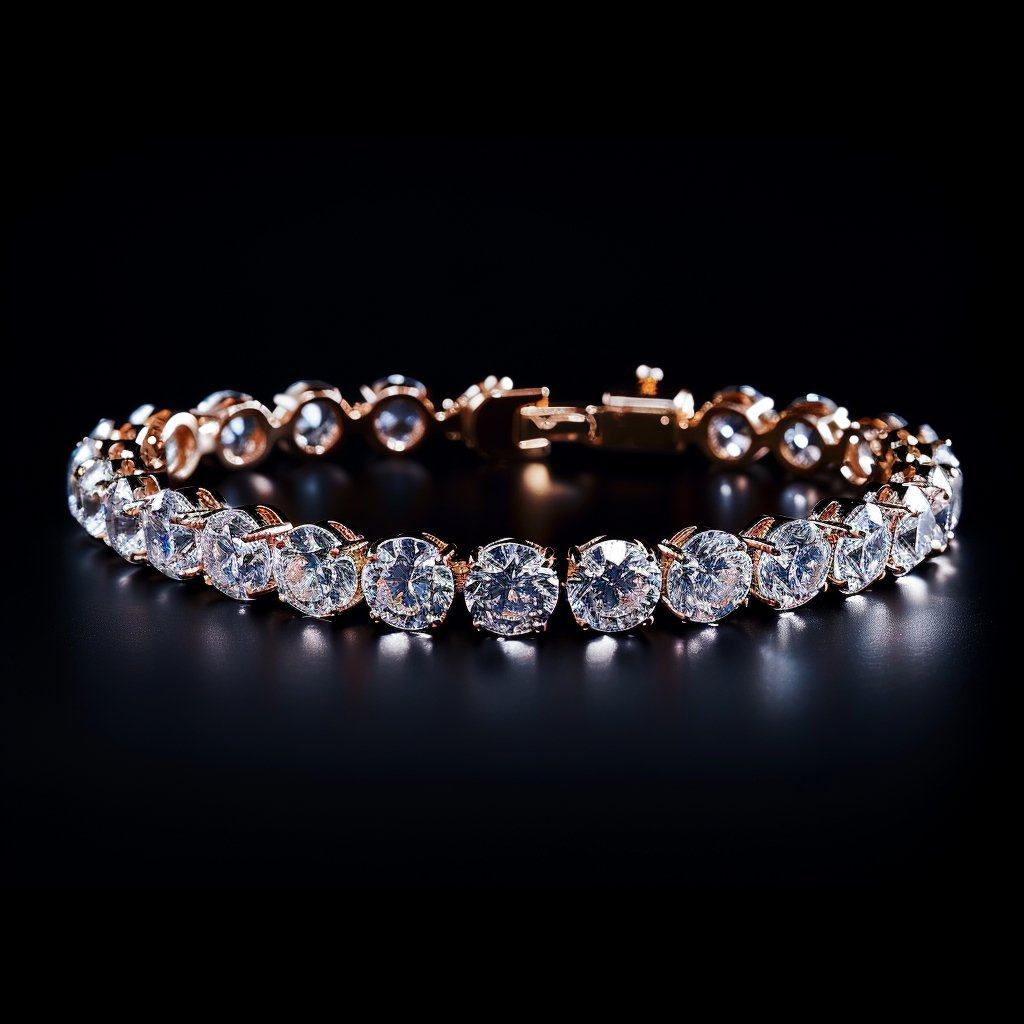
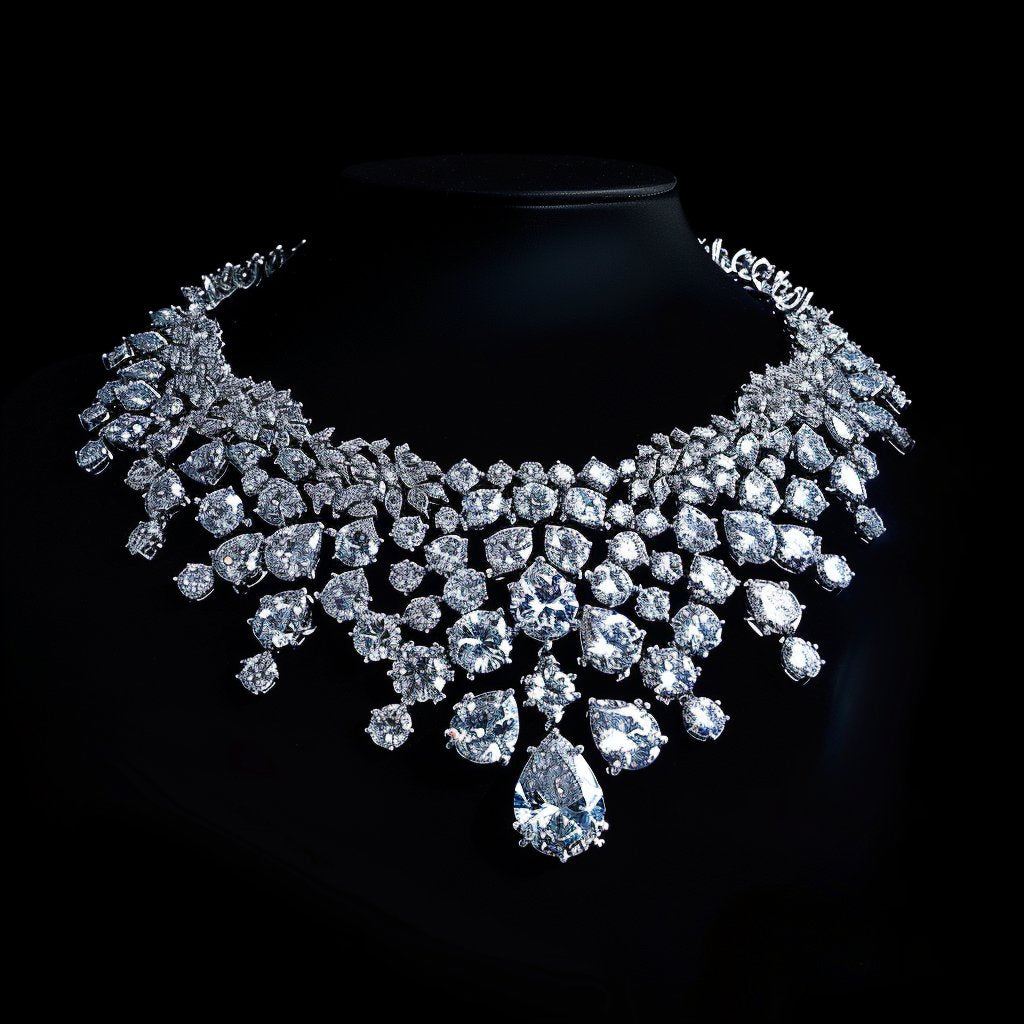


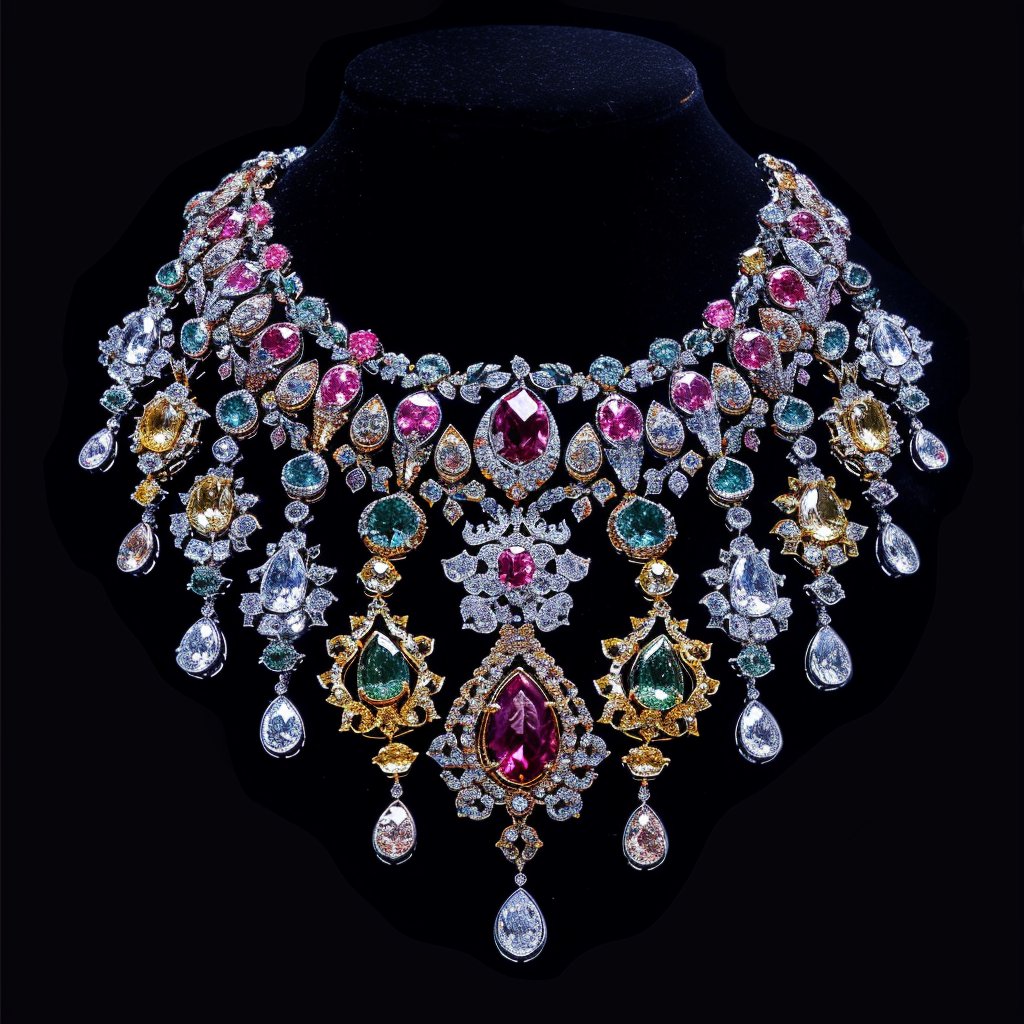

Discover the unparalleled craftsmanship of South Florida's premier jeweler, where elegance meets artistry.

Embark on a journey of refined indulgence as you explore our exclusive collection at our South Florida family jewelry store. Inspired by the vibrant culture and natural beauty of our surroundings, each piece tells a story that is as captivating as it is elegant.

EXCLUSIVELY AT GOLDEN ANVIL
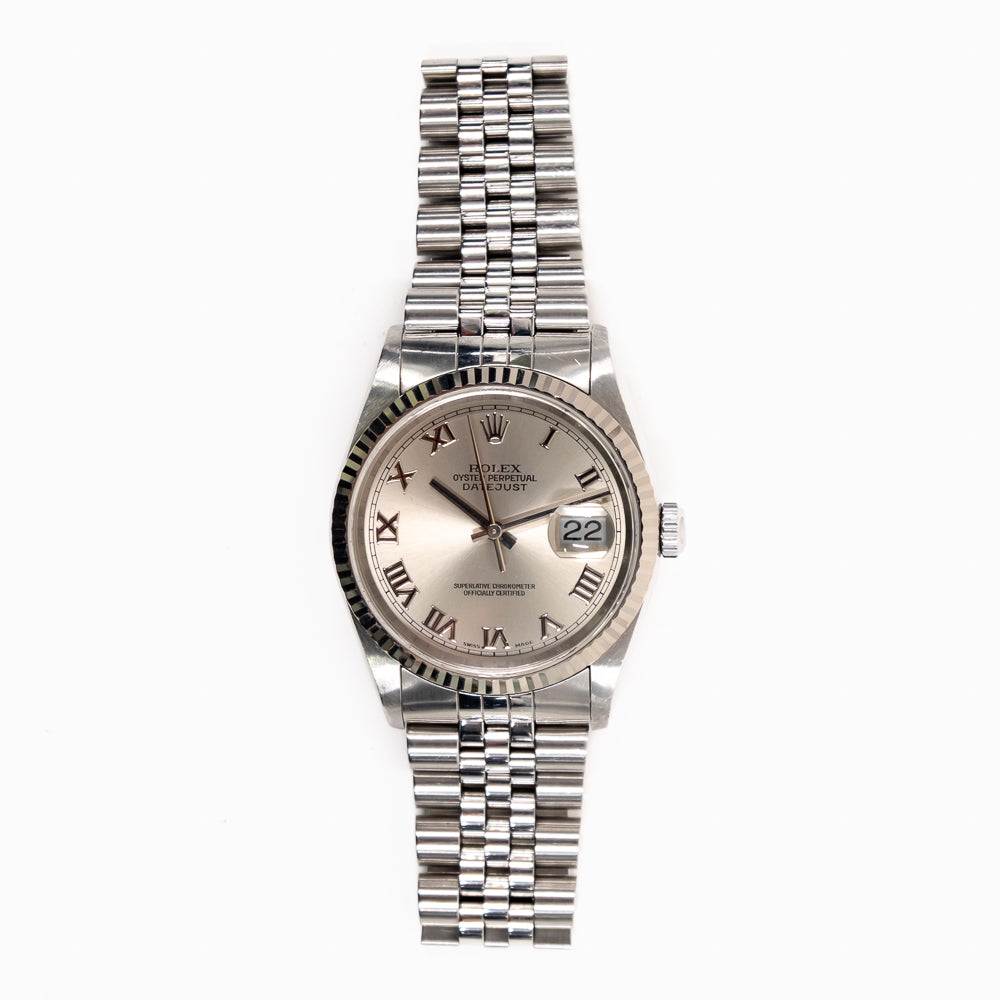
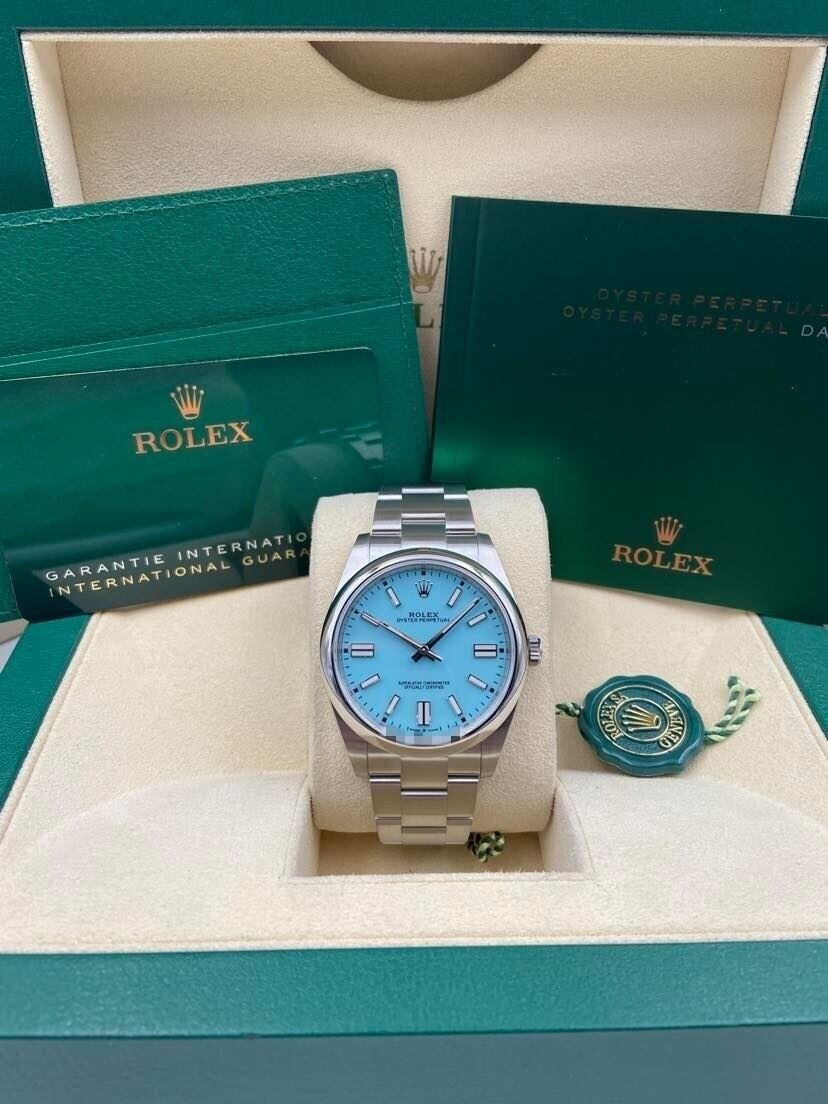
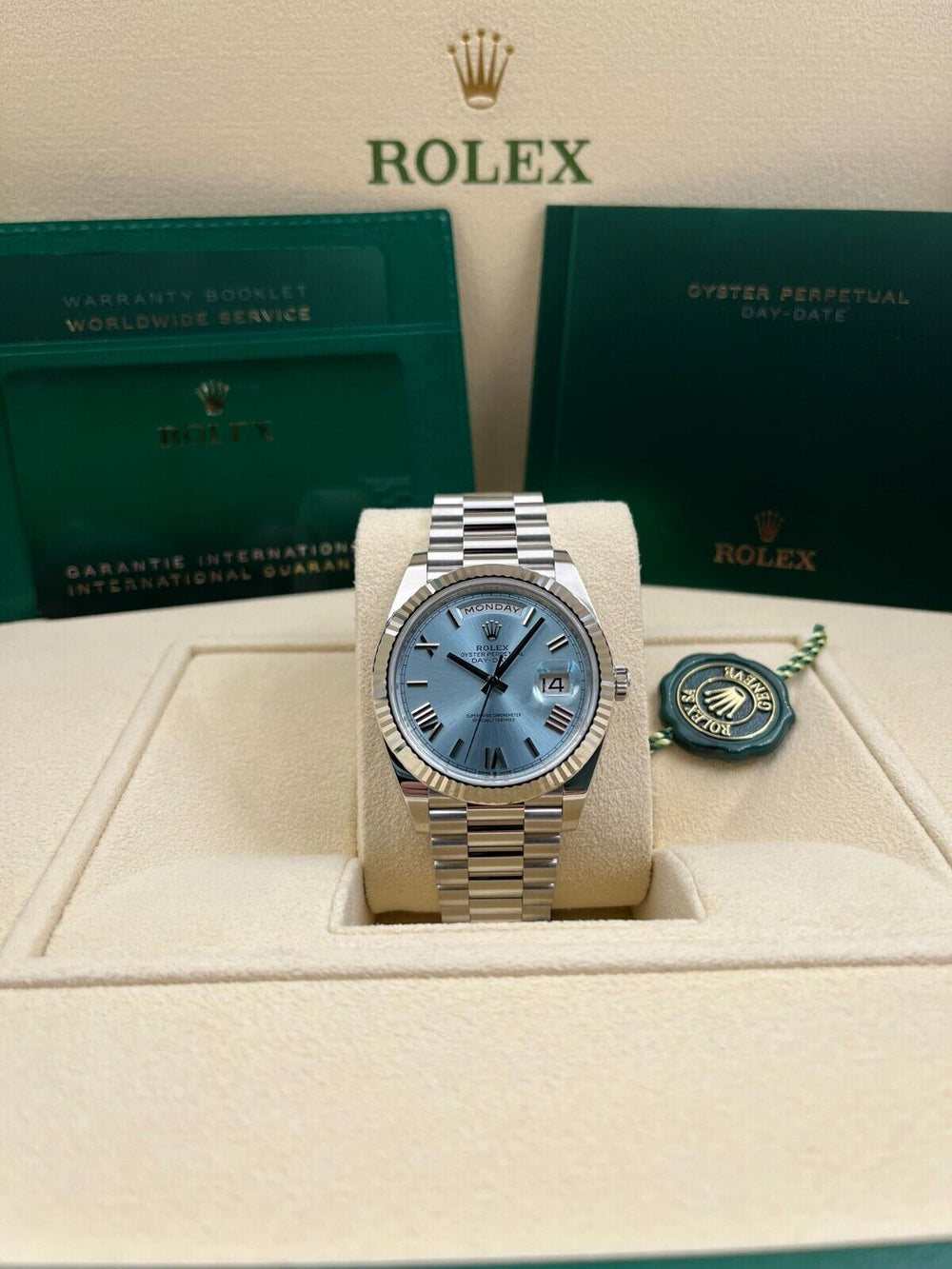
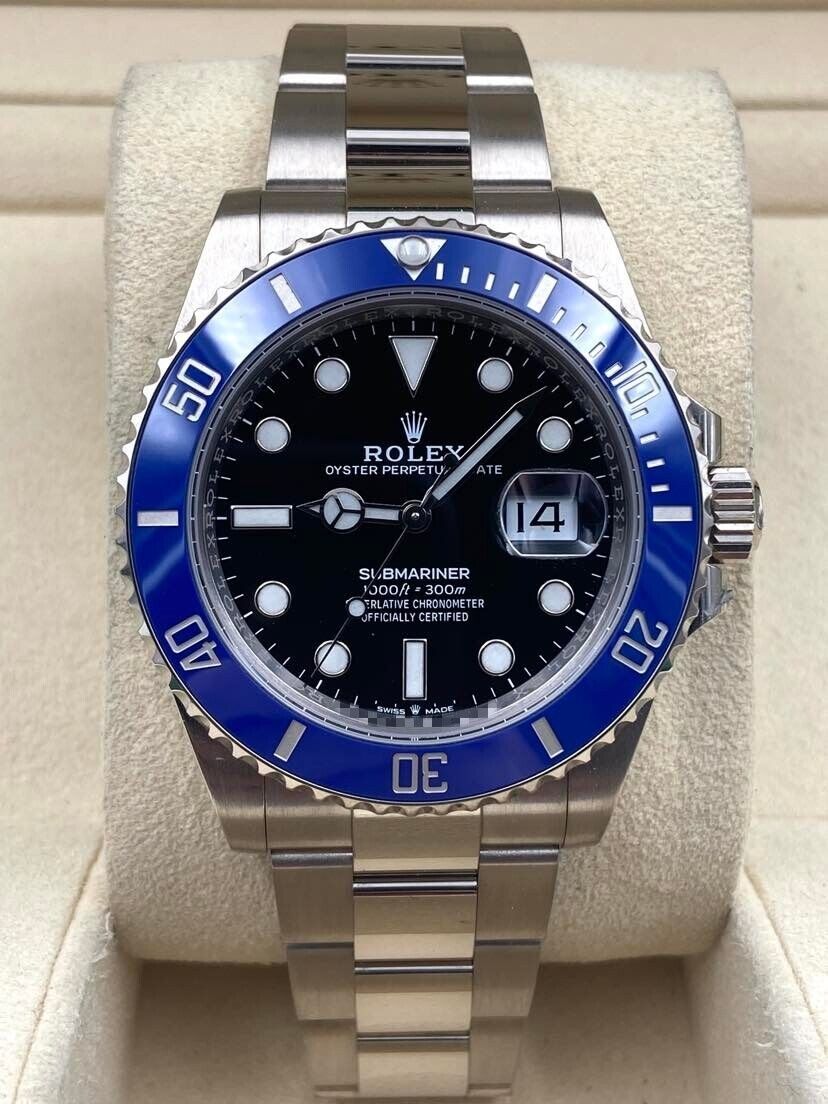
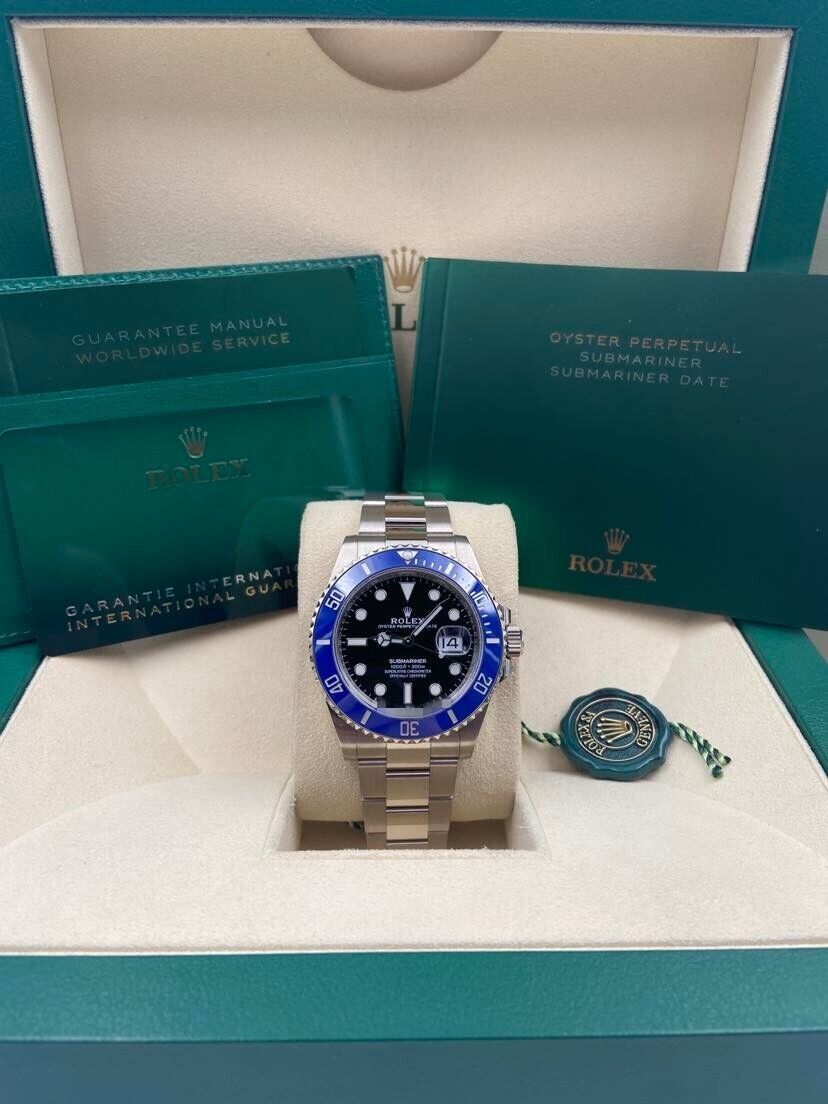
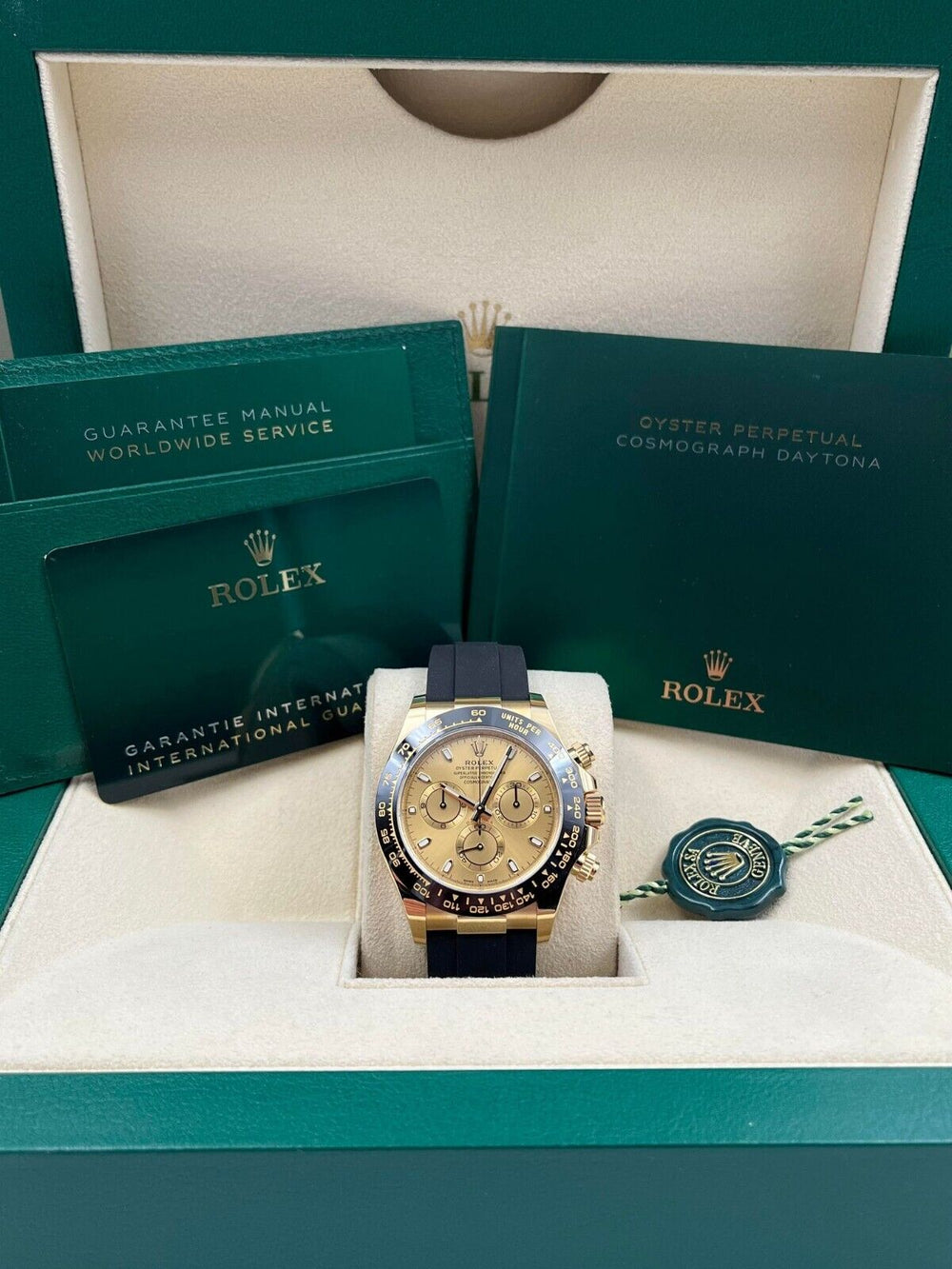
Discover our latest luxury timepieces, carefully selected for exceptional craftsmanship and timeless style.

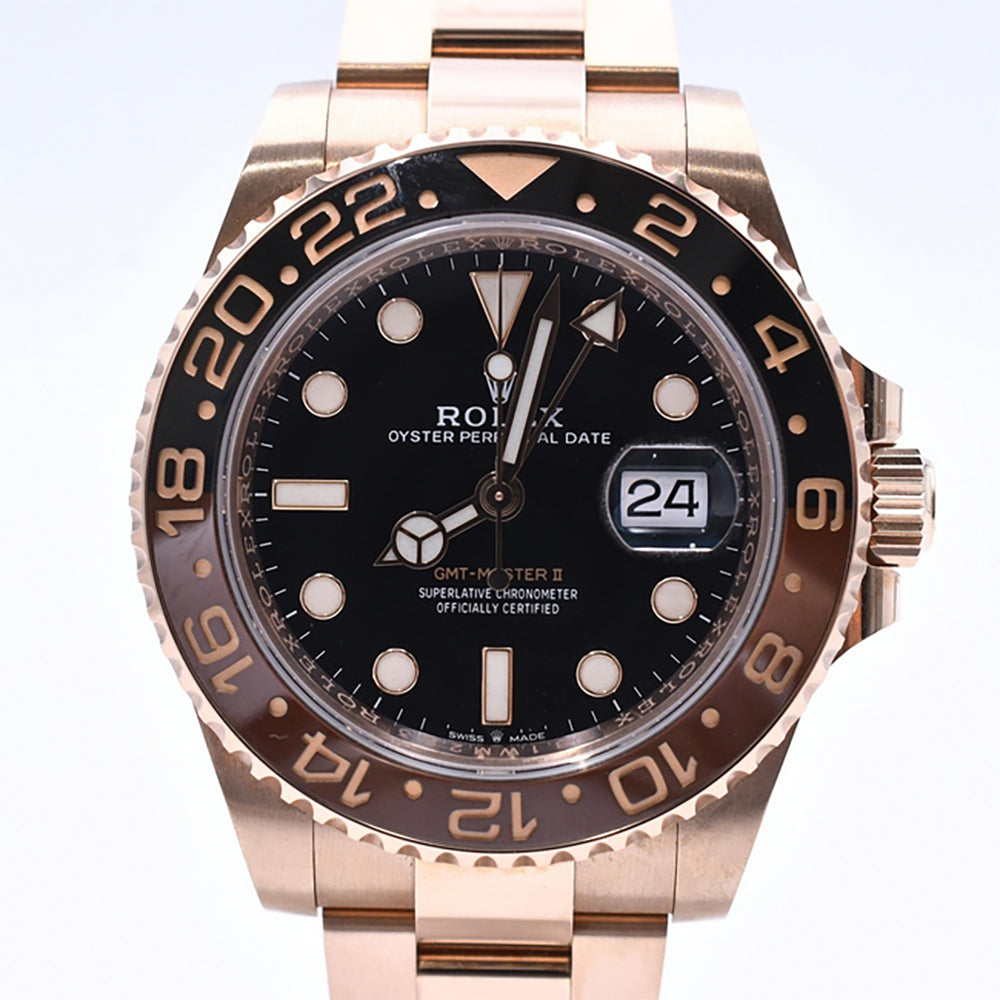

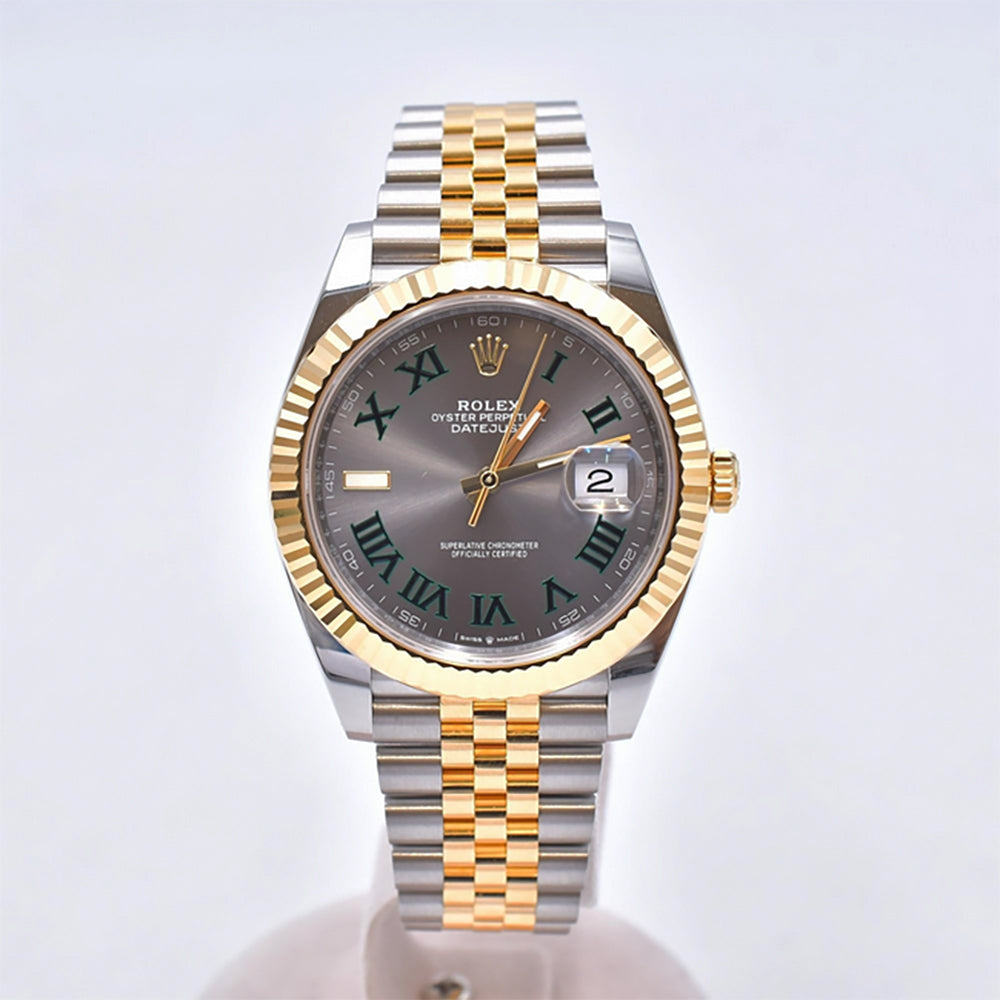

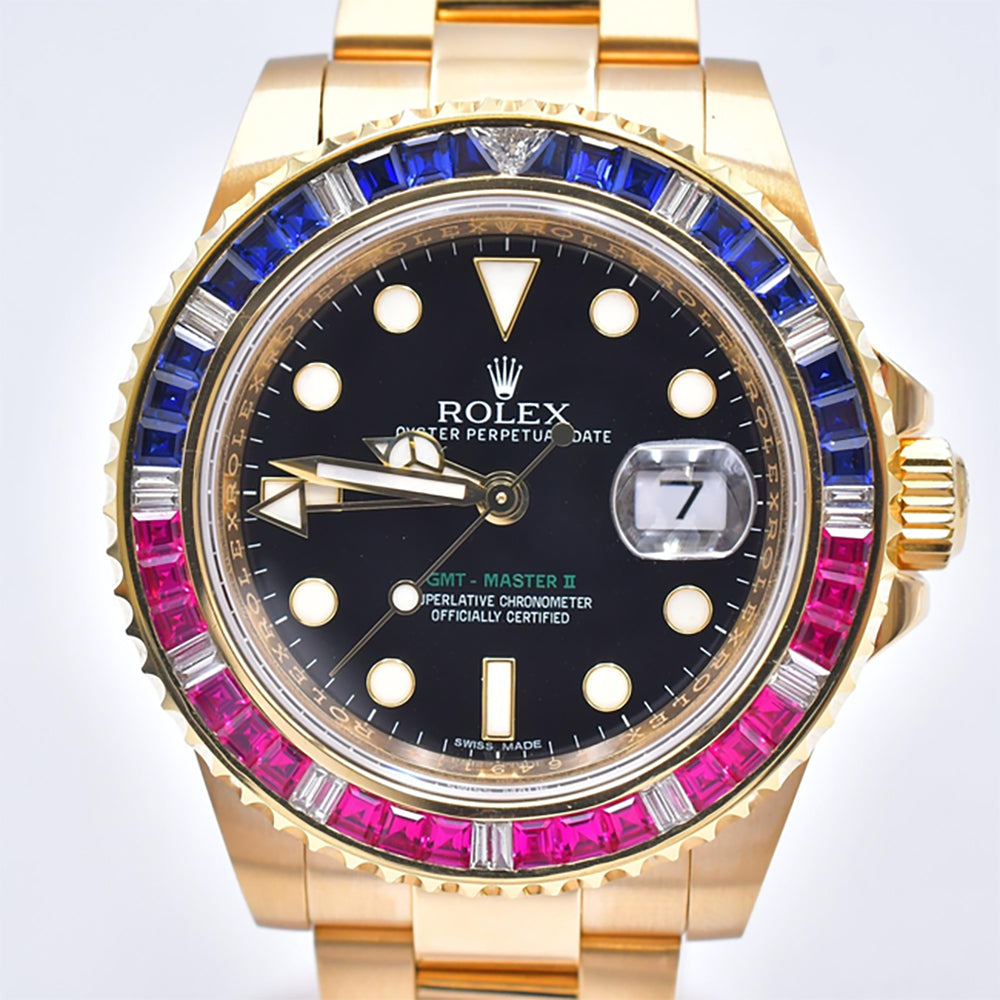

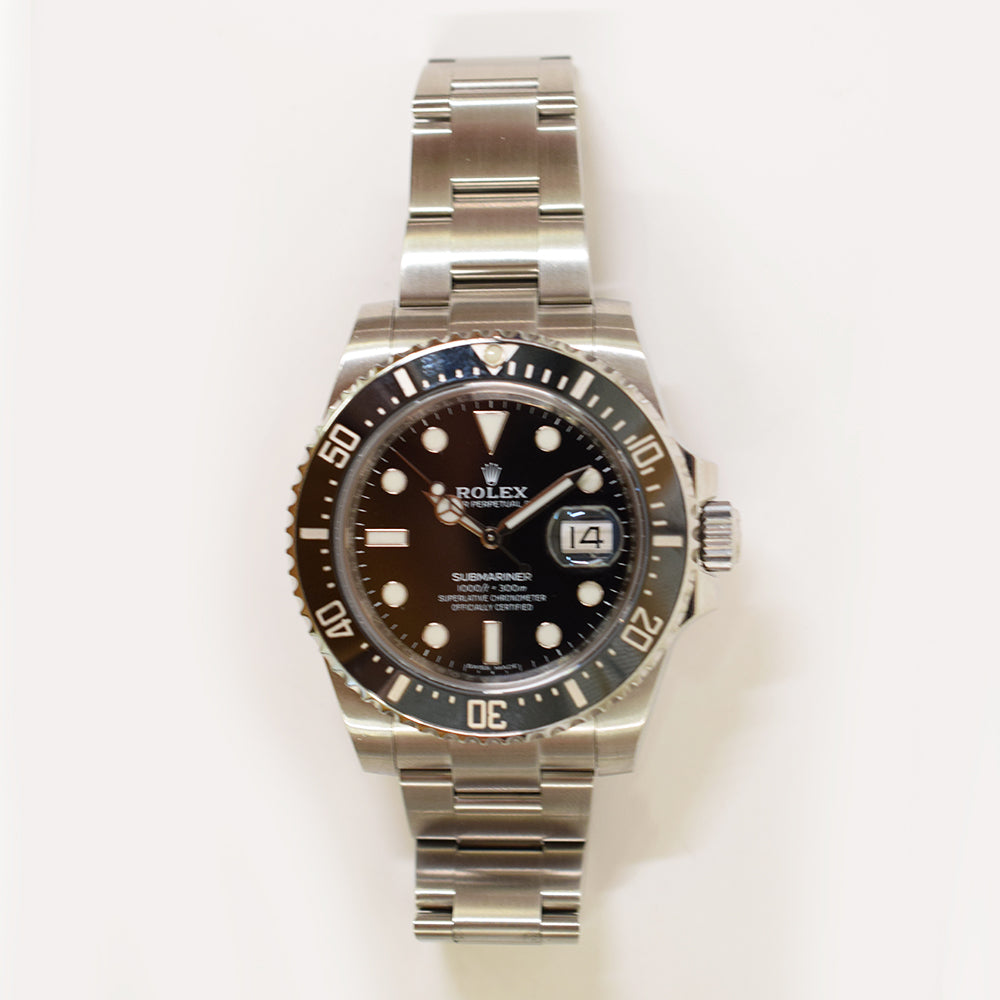

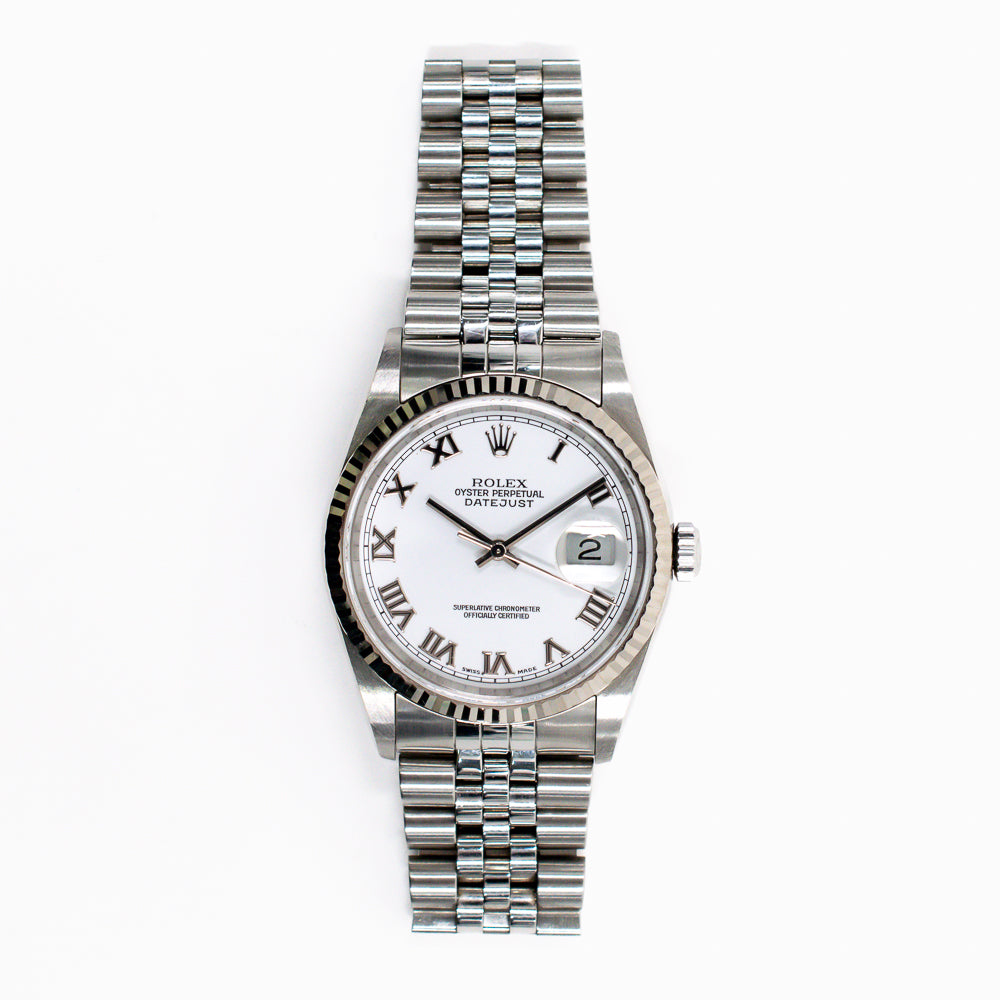




Trust Your Precious Timepiece to Our Expert High-End Watch Repair Services.
Uncover the True Value of your High-End Jewelry and Watches with our Appraisal Services.
Experience Superior Craftsmanship with our High-End Jewelry Repair Services
Find the perfect piece for your loved one with our extensive diamond collection.


Gold coins can make meaningful gifts for weddings, new babies, graduations, retirements, birthdays, and other important milestones because they combine lasting sentimental value with the intrinsic value of physical gold. Fractional government-minted coins, such as 1/10 oz American Gold Eagles or smaller Maple Leafs, allow gift-givers to choose an appropriate size without committing to a full-ounce purchase. Larger coins can suit major occasions such as weddings, professional graduations, or retirement celebrations. Presentation is equally important: bullion coins should not be engraved, polished, scratched, or otherwise altered because doing so can damage their condition and reduce resale value. Instead, personalization can be added through protective capsules, presentation boxes, engraved cases, cards, or accompanying letters. Keeping purchase documentation is also sensible, particularly because recipients may eventually sell the coin and need information about its original cost basis. Families can make gold gifting even more meaningful by establishing annual traditions, selecting coins from significant years, or including a short explanation of the coin's weight, purity, design, and significance. With thoughtful selection, proper protection, and personal presentation, a gold coin can become both a valuable asset and a keepsake that remains connected to an important life event for decades.

Buying gold does not require starting with a full one-ounce coin or making a large initial investment. Budget-conscious buyers can begin with fractional government-minted coins such as 1/10 oz American Gold Eagles, fractional Canadian Maple Leafs, Krugerrands, Britannias, and other recognized sovereign products. These smaller coins provide genuine gold ownership, government-backed specifications, and strong resale recognition while keeping the initial purchase more manageable. However, buyers should understand the tradeoff: smaller coins generally carry higher premiums per ounce because minting, packaging, handling, and distribution costs do not decrease proportionally with the amount of gold. Gram-sized bars can offer even lower entry prices, but their per-ounce premiums and potential resale discounts may be higher. For beginners, comparing premiums, gold content, recognition, and liquidity is more useful than simply choosing the product with the lowest sticker price. Buyers should also calculate approximate metal value using spot price, weight, and purity and be cautious of offers priced suspiciously below that level. Starting with a recognizable fractional coin from an established seller can provide an accessible introduction to physical gold, with the option to move toward larger, more cost-efficient sizes as the budget grows.

The difference between 10K, 14K, 18K, 22K and 24K gold mainly comes down to how much gold each alloy contains, but purity alone does not determine which option is right for a particular piece of jewelry. 10K contains about 41.67% gold, 14K about 58.33%, 18K 75%, and 22K about 91.67%, while 24K represents near-pure gold in the karat system. Higher karat means more fine gold at the same alloy weight, yet design, construction, color, intended wear, budget and alloy composition also matter. 14K is commonly considered a practical starting point for everyday rings and chains, while 18K offers a higher gold proportion for many fine-jewelry applications. 22K and 24K can suit buyers who prefer high-purity yellow gold, although their design and handling requirements deserve closer attention because conventional fine gold is relatively soft. Color is not a reliable purity test, since alloy metals and surface finishes can change appearance. Likewise, a lower-karat piece is not automatically more durable than a higher-karat one. When comparing gold jewelry, consider verified fineness, actual weight, construction, craftsmanship and intended use rather than assuming the highest karat is always the best choice.

Dollar-cost averaging into gold is a simple strategy that involves investing the same dollar amount at regular intervals regardless of changes in the gold price. Instead of trying to predict the perfect time to buy, investors choose a sustainable budget, a purchasing schedule, and a specific gold product, then follow that plan consistently. When gold prices fall, the fixed budget purchases more grams; when prices rise, it purchases fewer, helping spread entry-point risk across multiple transactions. Physical gold adds another consideration: dealer premiums. Fractional coins and small bars can make monthly purchases accessible, but they generally carry higher premiums per ounce than larger products. For this reason, buyers should consider both the convenience of smaller recurring purchases and their cumulative costs. Dollar-cost averaging does not guarantee better returns than investing a lump sum, particularly during steadily rising markets. Its primary advantages are discipline, reduced pressure to time the market, and compatibility with buyers accumulating gold gradually from regular income. A sustainable monthly or quarterly plan can therefore provide a structured way to build physical gold holdings while keeping individual purchases manageable and reducing dependence on any single market entry point.

To tell whether gold is real, begin by examining the complete markings, construction, wear and individual components rather than relying on a single home test. A stamp such as 14K, 18K or 750 provides useful evidence, but it does not prove that the entire item matches the marking. Likewise, a magnet can reveal some inconsistencies because gold is not strongly magnetic, yet many non-gold materials are also nonmagnetic, so lack of attraction is not conclusive. Density checks can provide additional clues, but hollow sections, gemstones, mixed metals, coatings and measurement errors can make the result misleading. Gold-plated, gold-filled and vermeil jewelry should also be distinguished from karat-gold alloy throughout, because similar-looking surfaces can hide very different constructions. Damaging DIY methods such as scraping, biting, bending, heating or applying household chemicals should be avoided, especially with valuable or inherited jewelry. Professional evaluation may combine magnified inspection, touchstone testing, XRF analysis, density assessment or other methods, depending on the item. No single method is universally conclusive for every finished object, so the most reliable approach is to combine markings, construction details, appropriate testing and careful interpretation before deciding what the piece actually contains.

Choosing between buying gold online and purchasing from a local dealer depends on more than the advertised price. National online dealers often provide large selections, convenient ordering, and competitive headline premiums, while local dealers offer advantages such as inspecting gold before payment, immediate possession, face-to-face assistance, and easier resale. To make a fair comparison, buyers should calculate the complete acquisition cost, including the gold's spot value, dealer premium, shipping, insurance, payment-processing fees, and any applicable discounts or taxes. An online price that initially appears lower may become much closer to a local quote once these additional expenses are included. Buying locally also allows customers to verify weight, dimensions, design details, and metal composition before money changes hands, whereas online buyers typically perform those checks only after delivery. Resale deserves consideration as well: online selling may involve insured shipping and waiting for an assessment, while a local transaction can provide an immediate evaluation and payment. A practical approach is to research products and prices online, compare all-in costs, and use in-person verification whenever possible. Ultimately, the better option depends on whether selection, price, convenience, verification, speed, or long-term dealer relationships matter most.
News and promotions straight to your mailbox.
Your cart is empty
